
Making a show work from anywhere: the art of adapting from stage to stage
Live Events
Theatre & Opera
Disguise Platform

For audiences, a theatre production can look remarkably consistent from one city to the next. The set arrives, the performers step onto the stage and the show begins.
Behind the scenes, the process is rarely quite so simple.
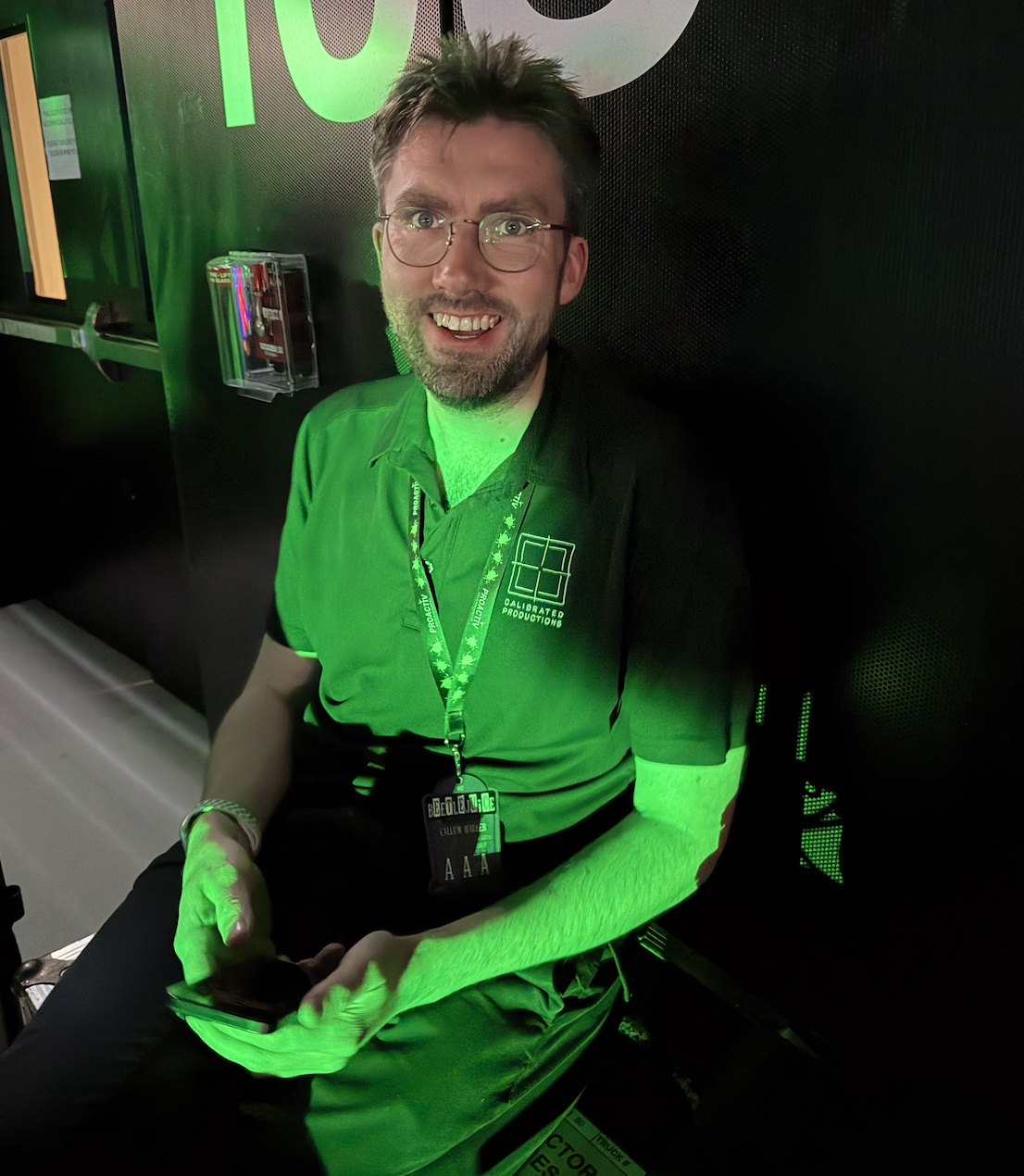
For Cal Walker (Calibrated Productions), Disguise programmer and member of the Disguise Creators Circle, much of his work involves taking an existing production and making it work in a new tour, with a new technical team, different hardware and sometimes an entirely different version of the set.
The creative work may already be established, but the challenge is understanding the workflow behind it, then adapting to that system without losing what makes the production work.
“Every programmer has their own way of building a show file,” Cal explains. “You can do five theatre shows in a row and they can all be programmed five different ways.”
That variety is part of what makes theatre programming so demanding. A show file created in New York might arrive in Australia with its own conventions, mappings and workflows. A programmer then needs to understand how it was built, identify what needs to change and make the necessary updates while keeping the same creative outcome.
Knowing the software is only part of the job. A programmer also needs to understand someone else’s approach and why the system was built that way.
Learning the language of a show
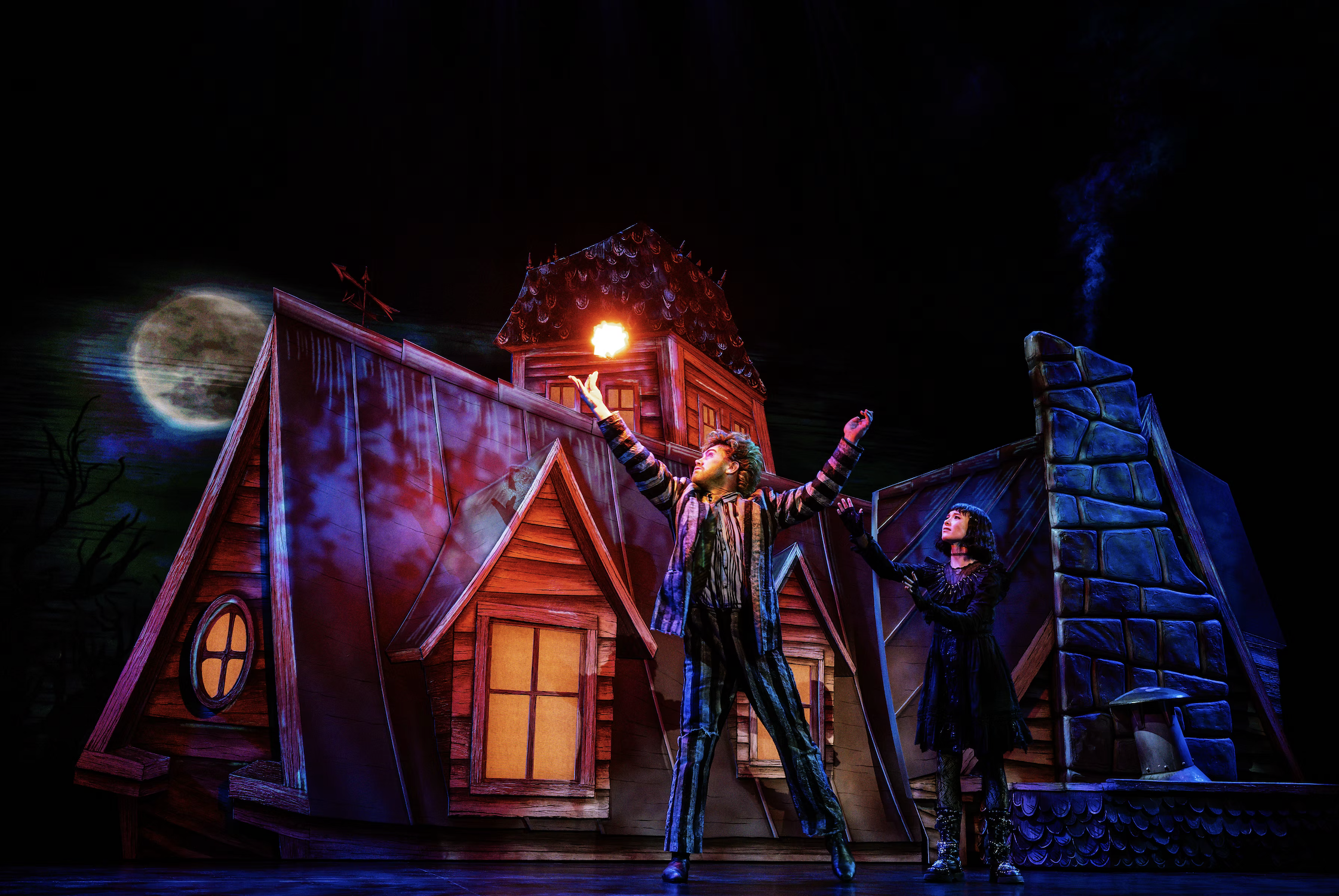
Shows such as Beetlejuice and Back to the Future have involved Cal in adapting established Disguise workflows for Australian productions. The work can involve upgrading a show file, making updates, acting as an associate and resolving differences between the original production and its new environment.
Over time, the Disguise workflow itself changes too.
A show that was originally built several years ago may contain approaches to colour, expressions or mapping that have since evolved. Bringing that production into a newer version of Disguise can mean identifying those differences and adapting the programming without disrupting the show.
For Cal, that is where having a broad understanding of the platform becomes particularly important.
“You just kind of need to have this really diverse knowledge of the tool, reading all release notes becomes a bit of a ritual,” he says.
When Disguise becomes part of the design process
One production gave Cal a very different experience.
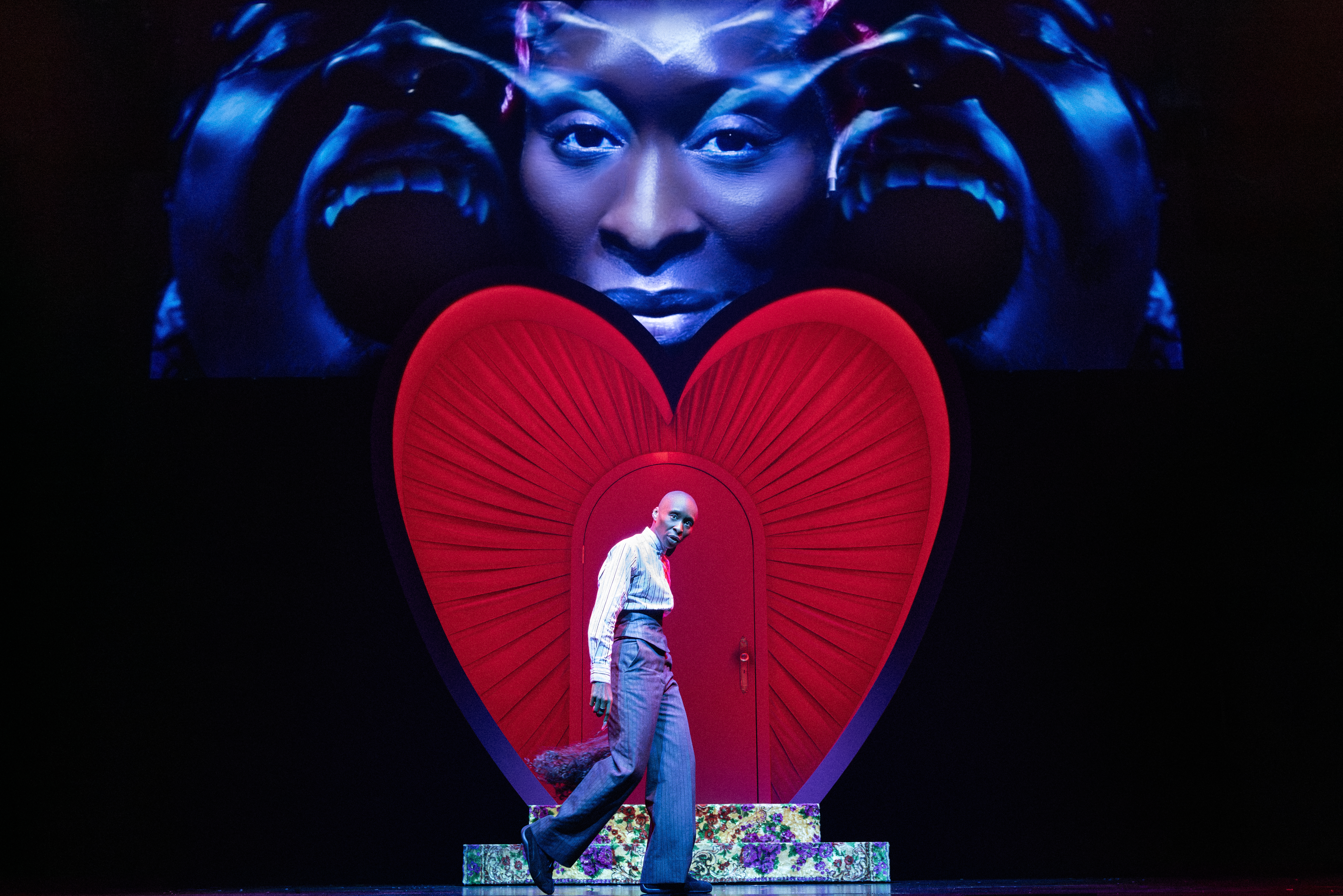
For Dracula, staged in London’s Noël Coward Theatre and starring Cynthia Erivo, Disguise’s Designer was an integral part of the creative process from concept planning to show delivery.
The production, with video design by Craig Wilkinson, used live cameras alongside pre-recorded performance, allowing Cynthia on stage to interact with recorded versions of herself appearing on screen. Screens moved on automated tracks, making the relationship between performer, camera, media and scenery central to the staging.
That meant the Disguise environment became a tool for understanding the show itself.
During development, the team could work with representations of the set, cameras and performer to explore how the production would look in the physical space. Camera framing could be considered against the height of Cynthia and the eventual position of automation.
For Cal, that was one of the most interesting aspects of the project.
“People were looking at Disguise constantly; I would certainly call it the heartbeat of the show,” he says.
By the time the production reached the theatre, Disguise was handling live camera inputs, video overlays, feed mapping and playback as part of the wider production system, running on Disguise GX 3 servers.
This illustrates a different role for the platform: there’s delivering the final image, but also helping the creative and technical teams understand what that image needs to be in the first place.
The skill is knowing what to change
That distinction runs through much of Cal's work. When a production travels, there is always a balance between preserving the original design and making it work in its new home. The programmer needs to understand which elements are fundamental to the production and which can, or need to, change.
That might mean adapting mappings to a new set piece, updating a program for a newer version of the software or translating between different programming approaches. It can also mean working within an existing system without feeling the need to rebuild it simply because it is not how you would have done it yourself.
The result is a very particular kind of technical expertise: knowing the platform well enough to work in someone else's language.
For Cal, that variety is one of the things that keeps the work interesting.
“There are all these different methods of mapping content to a set piece,” he says. “You have to learn five different ways of doing it.”
A platform built for different ways of working
Theatre is full of established workflows, individual programming styles and productions that evolve as they move between venues and countries. That makes adaptability essential.
A production may arrive with a complex existing show file, a completely different programming philosophy or a workflow that was developed several years earlier. The people responsible for delivering it still need to make the system perform reliably, while preserving the creative decisions that audiences came to see.
For programmers like Cal, that means technical knowledge is only part of the job. The other part is understanding how to work with the choices that have already been made.
That is perhaps one of the clearest demonstrations of what flexibility means in practice. A platform has to accommodate different programmers, different productions and different ways of solving the same problem, while still giving each team the control they need.
For the audience, the result should simply be the show.
For the people behind it, there is a much more interesting story: a creative system that can travel, adapt and keep working in new hands.